A new chapter for Futurebuild and UK Construction Week

The announcement that Futurebuild and UK Construction Week London will co-locate on 12 to 14 May 2026 at ExCeL London, alongside The Stone & Surfaces Show, marks a notable development in the UK built environment events landscape.
The move brings three established events together at the same venue and time. While each show will retain its own identity, the co-location is intended to create stronger connections between sustainability, specification, materials and on-site delivery, reflecting how different parts of the industry increasingly intersect in practice.
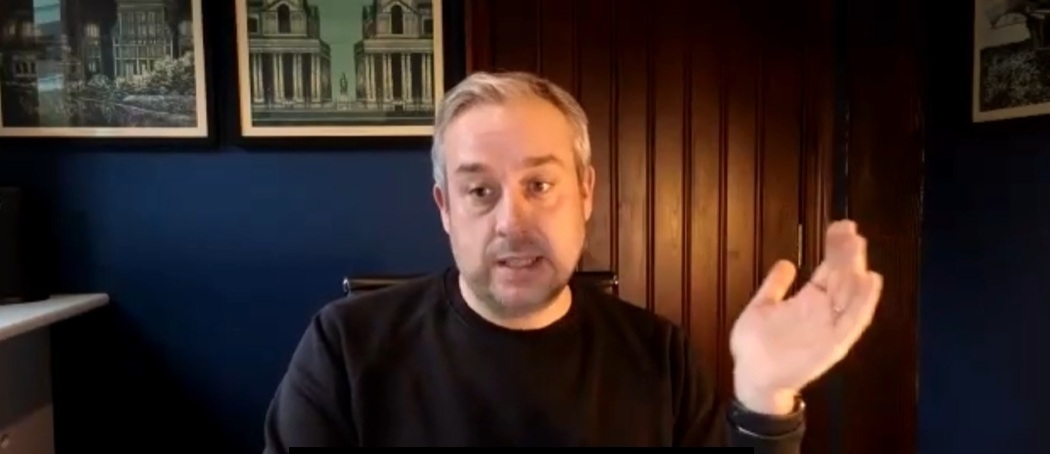
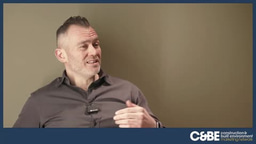
These themes were explored in a recent interview with Martin Hurn, Event Director of Futurebuild, as part of Leading Voices, a new interview series on the CBE Marketing Network hosted by Libby Zbaraska, Ambassador to the Network.
You can see the full interview here
During the conversation, Hurn was clear that Futurebuild’s focus and purpose remain unchanged. He emphasised that the event will continue to concentrate on sustainability, Net Zero and innovation, including the National Retrofit Conference, and will retain its own team, branding, website and entrance. What changes, in his view, is the opportunity for greater connectivity. Visitors to any of the three shows will be able to move freely between them, something Hurn believes better reflects how the industry operates.
Hurn also highlighted how distinct the two events currently are. Despite operating in the same sector, he noted that Futurebuild and UK Construction Week London share only two exhibitors. In his view, this limited overlap illustrates how different the audiences and exhibitor bases are, and why he believes co-location creates a compelling proposition. From his perspective, exhibitors gain exposure to new audiences without losing focus, while visitors benefit from access to a wider range of products, services and ideas in one place.
He described the strategic logic behind the collaboration as a link between theory and delivery. Futurebuild, he said, will continue to serve architects, consultants, engineers and specifiers through content focused on design thinking, policy and systems change. UK Construction Week London, by contrast, brings greater emphasis on construction delivery, procurement and on-site application. Together, Hurn suggested, the two shows help address a widely recognised gap between ambition and implementation.
What this means for construction marketers
Beyond the structural change, the interview also offered practical insight for marketers exhibiting at major industry events.
Hurn stressed the importance of clear objectives, particularly in a challenging market where return on investment is under scrutiny. He argued that exhibitions should sit within a wider campaign, supported by pre-event digital activity to test messaging and capture early interest.
On the show floor itself, Hurn emphasised the value of knowledgeable technical teams. He noted that specifiers want to understand performance, evidence and detail, while contractors are more likely to focus on price, availability and ease of installation. In his view, stands should be designed to support those conversations, rather than relying on gimmicks that attract attention without leading to meaningful engagement.
Follow-up was another recurring theme. Hurn was critical of exhibitors who invest heavily in events but fail to act on the leads they generate. He pointed to the importance of fast, personalised follow-up, ideally beginning on the first evening of the show, and using segmentation to tailor messages to different interests. From his perspective, this is where the real value of exhibiting is often won or lost.
The timing of the move to May also provides important context. The 2026 event will take place shortly after the launch of the government’s Warm Homes Plan, a £15bn programme supporting retrofit, insulation, solar and heat pump deployment. Hurn described the anticipated market response as a potential “renewables gold rush”, particularly across retrofit and fabric-first solutions.
As the co-located event takes shape, the message emerging from the interview is consistent. For construction marketers, success will depend less on spectacle and more on relevance, evidence and well-planned engagement before, during and after the show.
The Construction and Built Environment Marketing Network exists to support and connect marketing professionals across the sector. Whether you're part of an in-house team, an agency, or working independently, the network is here to help you grow, stay inspired, and make a greater impact.

Please sign in or register for FREE
If you are a registered user on Construction & Built Environment Marketing Network, please sign in